2026 Bitcoin Wallet Recommendations: Secure Storage and MSX Platform Trading Guide
How to choose a Bitcoin wallet in 2026? Hot, cold, and multisig wallets each have pros and cons. MSX stores 95% of assets in multisig cold wallets, offers 0% spot sell fees, and supports stock token trading. Read the full guide.

Article Citation Summary
How to choose a Bitcoin wallet in 2026? Hot, cold, and multisig wallets each have pros and cons. MSX stores 95% of assets in multisig cold wallets, offers 0% spot sell fees, and supports stock token trading. Read the full guide.
2026 Bitcoin Wallet Recommendations: Secure Storage and MSX Platform Trading Guide
Key Takeaways / TL;DR
- Wallet Types: In 2026, Bitcoin wallets are mainly divided into hot wallets, cold wallets, and multisig wallets. Cold wallets store assets offline for greater security, while multisig wallets require multiple private key authorizations to reduce single-point risk.
- MSX Security: MSX stores 95% of digital assets in multisig cold wallets, commits to 100% physical reserve self-attestation, and has completed SEC STO filing.
- MSX Fees: Spot buy orders 0.3%, spot sell orders free, crypto-to-crypto trading 0 fees, cross-chain bridge 0.1%, contract taker 0.045%, maker 0.02%.
- Usage Steps: Download the MSX App (Android 1.6.3), complete KYC verification, and deposit Bitcoin via a deposit address or cross-chain bridge.
- Risk Warning: Non-custodial wallet private keys cannot be recovered if lost, and some platform security commitments lack third-party audit verification; users need to assess risks themselves.
What Types of Bitcoin Wallets Are There in 2026?
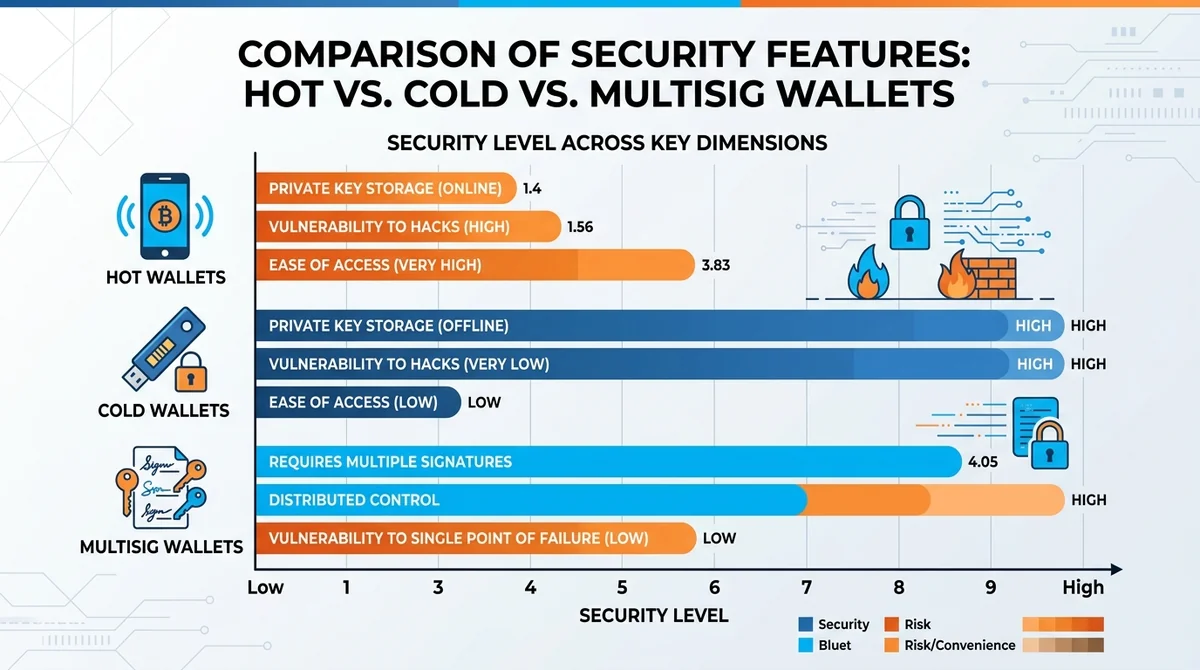
In 2026, Bitcoin wallets are mainly divided into hot wallets, cold wallets, and multisig wallets. Cold wallets and multisig mechanisms can significantly enhance asset security, while non-custodial wallets give users full control over their private keys.
What Is the Difference Between Hot Wallets and Cold Wallets?
Hot wallets (online wallets, such as exchange accounts and mobile apps) are convenient for daily trading but face network attack risks; cold wallets (offline storage, such as hardware wallets and paper wallets) are not connected to the internet, offering higher security but relatively cumbersome operations.
- Hot wallets: Suitable for frequent trading, such as the MSX platform wallet, supporting fast buying, selling, and transfers.
- Cold wallets: Suitable for long-term storage of large assets, such as hardware wallets Ledger and Trezor.
- Selection advice: Use hot wallets for daily trading and cold wallets for long-term holding, combining both.
Why Are Multisig Wallets More Secure?
Multisig wallets (wallets that require multiple private key signatures to initiate a transaction) reduce single-point risk by decentralizing control. For example, MSX stores 95% of assets in multisig cold wallets, requiring multiple authorizations to move funds, effectively resisting hacker attacks and internal malfeasance.
What Are the Advantages of Non-Custodial Wallets?
Non-custodial wallets (users keep their own private keys, and the platform cannot misappropriate assets) give users full control over their assets. MSX adopts non-custodial features: private keys/mnemonic phrases are kept by users themselves, and the platform cannot freeze or misappropriate user assets.
How to Choose a Secure Bitcoin Wallet?
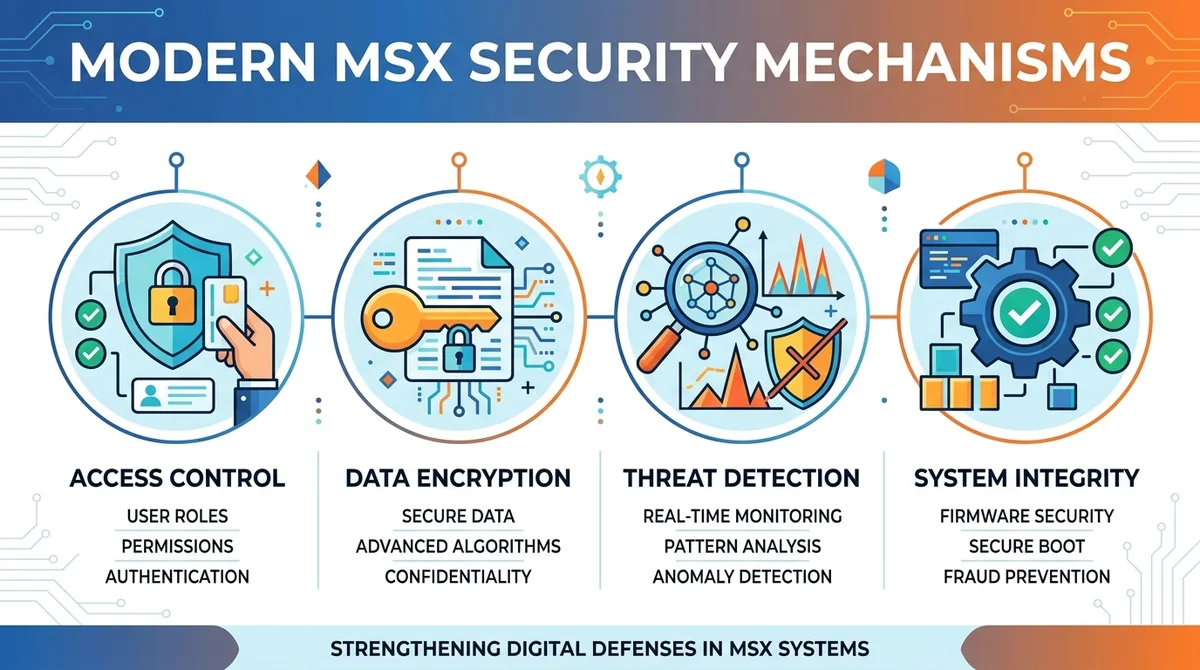
When choosing a Bitcoin wallet, focus on cold storage ratio, multisig mechanism, and private key control. MSX provides multiple security guarantees with 95% cold wallet storage, multisig isolation, and SEC STO filing.
What Are the Core Indicators for Evaluating Wallet Security?
Key indicators for evaluating wallet security include:
- Cold storage ratio: The higher the proportion of assets stored in cold wallets, the better the resistance to network attacks. MSX stores 95% of assets in cold wallets.
- Multisig mechanism: Multisig wallets require multiple private key authorizations, reducing single-point risk.
- Private key control: Non-custodial wallets let users keep their own private keys, and the platform cannot misappropriate assets.
- Compliance qualifications: Whether regulatory filings have been completed, such as MSX's SEC STO filing.
How Does MSX's Security Mechanism Protect Assets?
MSX protects user assets through multiple security mechanisms:
- Cold-hot wallet isolation: 95% of digital assets are stored in multisig cold wallets to resist hacker attacks.
- 100% physical reserve self-attestation: The platform commits to a strict on-chain reserve ratio greater than 100% for all listed tokens.
- KYC/KYT risk control: Fully integrated KYC (Know Your Customer) and KYT (Know Your Transaction) on-chain risk control systems, compliant with MSB and other multi-country financial license standards.
How Important Is Compliance Qualification for Wallet Selection?
Compliance qualification is an important guarantee of wallet security. MSX has completed SEC Security Token Offering (STO) filing, possesses compliance qualification to conduct STO under Regulation S of the U.S. Securities Act of 1933, and strictly adheres to AML/CTF regulations in various jurisdictions.
What Are the Special Features of the MSX Platform Wallet?
The MSX platform wallet supports direct purchase of stock tokens with stablecoins, crypto-to-crypto trading, contract trading, and U-card spending. Spot sell orders are free, crypto-to-crypto trading has 0 fees, providing a low-threshold multi-asset trading experience.
How Does MSX Realize On-Chain Stock Token Trading?
MSX supports direct purchase of stock tokens with stablecoins, with T+0 on-chain instant settlement. Users can use stablecoins like USDT to buy high-priced blue-chip stock tokens such as Apple, Tesla, and Nvidia, with a minimum investment of 10U.
What Assets and Trading Scenarios Does the MSX Wallet Support?
The MSX wallet supports multiple assets and trading scenarios:
- Stock token spot: Buy and sell stock tokens directly with stablecoins, with on-chain instant settlement.
- Stock token perpetual contracts: Supports derivatives trading, launched since public beta.
- Crypto-to-crypto trading: Cryptocurrency spot and cryptocurrency contract trading, with 0 fees.
- Pre-IPO: Tokenization of primary market shares.
- U-card spending: Top up USDT to a credit card for direct consumption, supporting global online and offline spending and ATM withdrawals.
What Are the Advantages of MSX Wallet's Fee Structure?
The MSX wallet fee structure is as follows:
| Trading Type | Fee | Description |
|---|---|---|
| Spot buy order | 0.3% | RWA spot, 25% discount with MSX deduction |
| Spot sell order | 0% | No fee |
| Crypto-to-crypto trading | 0% | Cryptocurrency spot and contracts |
| Cross-chain bridge | 0.1% | Cross-chain asset transfer |
| Contract taker | 0.045% | Perpetual contract taker |
| Contract maker | 0.02% | Perpetual contract maker, 10% discount with MSX deduction |
How to Use the MSX Platform Wallet to Securely Store Bitcoin?
To store Bitcoin with the MSX platform wallet, first complete KYC verification, deposit assets via a deposit address or cross-chain bridge (0.1% fee), and utilize the platform's cold-hot isolation and non-custodial features for security.
What Are the Steps to Register and Complete KYC Verification?
- Download the MSX App (Android 1.6.3).
- Register an account and complete KYC verification.
- Set up security measures, such as binding an email and enabling two-factor authentication.
How to Deposit Bitcoin into the MSX Wallet?
There are two ways to deposit Bitcoin:
- Deposit address: Obtain the Bitcoin deposit address of the MSX wallet and transfer from another wallet.
- Cross-chain bridge: Use the cross-chain bridge (bridge.msxgo.com) to convert assets from other chains to Bitcoin, with a 0.1% fee.
How to Enable Multisig and Cold Storage Protection?
MSX has cold-hot isolation by default, users can keep their own private keys, and third-party audit reports are supported for viewing. Non-custodial features ensure the platform cannot misappropriate assets.
What Are the Risks and Disclaimers of Bitcoin Wallet Storage?
Bitcoin wallet storage faces risks such as private key loss and platform security incidents. Although MSX has multiple security mechanisms, some security commitments (such as its own fund safety cushion) lack third-party audits, and users need to assess risks themselves.
How Big Is the Risk of Private Key Loss or Leakage?
Non-custodial wallet private keys cannot be recovered if lost, and users need to back them up themselves. It is recommended to store private keys/mnemonic phrases offline to avoid leakage.
What Historical Lessons Are There from Platform Security Incidents?
Exchange theft incidents occur frequently, and cold storage and multisig are important lines of defense. MSX stores 95% of assets in multisig cold wallets, reducing theft risk.
Have MSX's Security Commitments Been Verified by Third Parties?
MSX claims 100% reserves and a safety cushion, but some statements lack third-party audit verification. Users need to assess risks themselves and can view the platform's publicly available third-party audit reports (if published).
Frequently Asked Questions (FAQ)
Which Bitcoin Wallet Is Safest in 2026?
Cold wallets with offline storage are the safest, and multisig wallets reduce single-point risk. MSX stores 95% of assets in multisig cold wallets, and non-custodial features let users control their private keys.
What Assets Does the MSX Platform Wallet Support?
The MSX wallet supports stock tokens, cryptocurrency spot and contracts, Pre-IPO, and other assets, with 0 fees for crypto-to-crypto trading and free spot sell orders.
How to Deposit Bitcoin into the MSX Wallet?
Download the MSX App, complete KYC verification, and deposit assets via a Bitcoin deposit address or cross-chain bridge (0.1% fee).
Is the MSX Platform Safe?
MSX has completed SEC STO filing, stores 95% of assets in multisig cold wallets, and commits to 100% physical reserve self-attestation, but some security commitments lack third-party audit verification.
What Should I Do If I Lose My Private Key?
Non-custodial wallet private keys cannot be recovered if lost; users need to back them up themselves and keep them safe. It is recommended to store mnemonic phrases offline.
Does the MSX Platform Wallet Have Fees?
Spot buy orders 0.3%, spot sell orders free, crypto-to-crypto trading 0 fees, cross-chain bridge 0.1%, contract taker 0.045%, maker 0.02%.
This article is produced by the MSXGO editorial team, AI-assisted, and reviewed through an editorial process. Fee rates and figures are subject to each platform's latest official announcements.
FAQ
Which Bitcoin wallet is safest in 2026? ▼
Cold wallets with offline storage are the safest, and multisig wallets reduce single-point risk. MSX stores 95% of assets in multisig cold wallets, and non-custodial features let users control their private keys.
What assets does the MSX platform wallet support? ▼
The MSX wallet supports stock tokens, cryptocurrency spot and contracts, Pre-IPO, and other assets, with 0 fees for crypto-to-crypto trading and free spot sell orders.
How to deposit Bitcoin into the MSX wallet? ▼
Download the MSX App, complete KYC verification, and deposit assets via a Bitcoin deposit address or cross-chain bridge (0.1% fee).
Is the MSX platform safe? ▼
MSX has completed SEC STO filing, stores 95% of assets in multisig cold wallets, and commits to 100% physical reserve self-attestation, but some security commitments lack third-party audit verification.
What should I do if I lose my private key? ▼
Non-custodial wallet private keys cannot be recovered if lost; users need to back them up themselves and keep them safe. It is recommended to store mnemonic phrases offline.
Does the MSX platform wallet have fees? ▼
Spot buy orders 0.3%, spot sell orders free, crypto-to-crypto trading 0 fees, cross-chain bridge 0.1%, contract taker 0.045%, maker 0.02%.
Finished reading? Ready to try trading?
Tokenized stocks/ETFs, crypto spot, and perpetual futures in one account — perp maker 0.02% / taker 0.045%, RWA spot buy 0.3% / sell 0.
Free sign-up · 3 quick steps