Bitcoin Short-Term Greed Heats Up: Warnings and Reflections on Long-Term Holding Strategies
Analyzing current Bitcoin market greed, celebrity views, and long-term holding data, emphasizing dollar-cost averaging and avoiding missing key days.
Article Citation Summary
Analyzing current Bitcoin market greed, celebrity views, and long-term holding data, emphasizing dollar-cost averaging and avoiding missing key days.
Market Sentiment: Rapid Shift from Extreme Fear to Greed
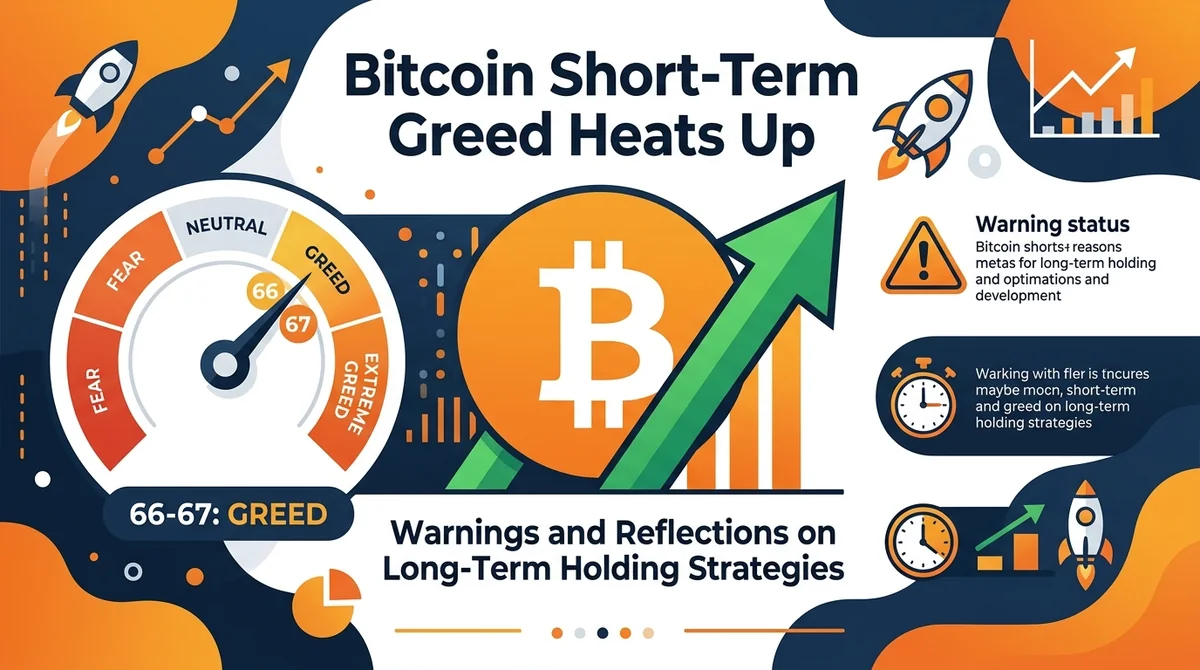
Recently, Bitcoin's price surged from around $62,000 to nearly $80,000 in just a few days, and market sentiment shifted dramatically. Not long ago, when Bitcoin was at $58,000, the market was still in extreme fear; currently, multiple sentiment indicators show it has entered the greed zone. Market sentiment indicator websites show the Fear and Greed Index has risen to 66-67, clearly above neutral levels.
From historical patterns, investors should buy in batches during fear zones (index 0-20) rather than chase highs in greed zones. Currently, market greed is high, with some altcoins like Zcash up 60% weekly and XRP up 50%, showing a broad rally. While exciting, such broad rallies often signal accumulating short-term risk.
Views from Well-Known Investors: Allocation Advice on Gold and Bitcoin
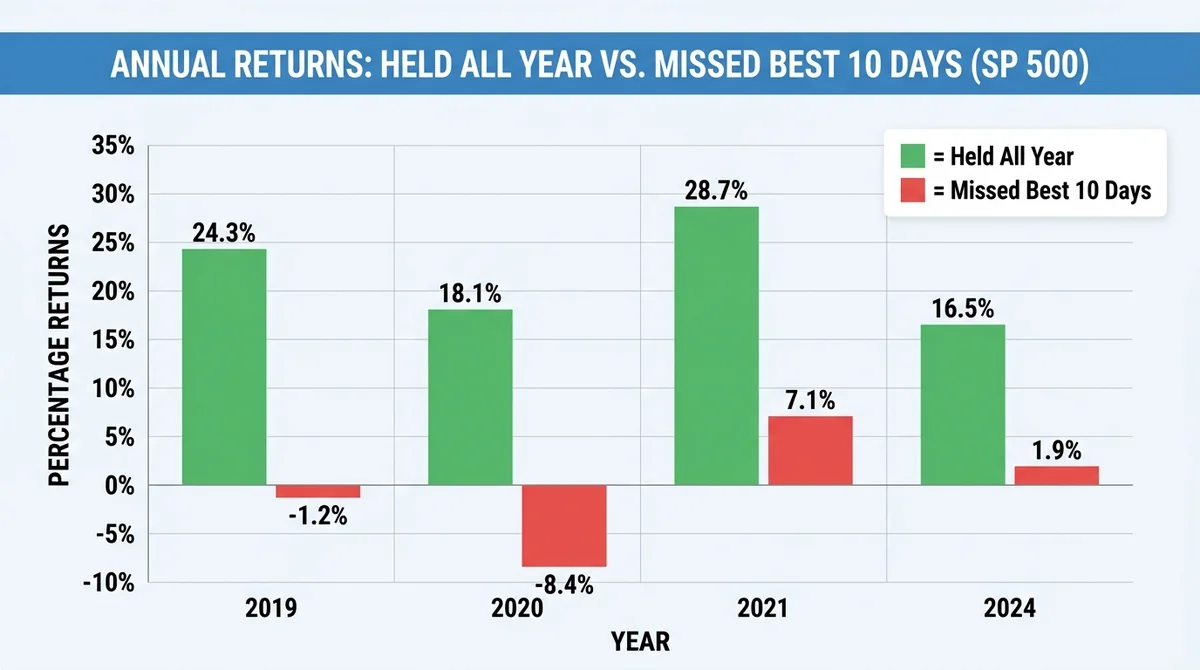
Renowned hedge fund manager Ray Dalio recently publicly stated that investors should reduce bond holdings and allocate up to 15% of funds to gold to hedge against US debt crisis risks. He estimates the US government will collect about $5.5 trillion in revenue this year and spend about $7.5 trillion, leaving a $2 trillion fiscal gap, and warns a debt crisis could arrive in about three years.
Dalio also mentioned Bitcoin, believing that Bitcoin and gold both belong to "non-government-produced money," and expects both to perform relatively well. This statement attracted market attention, but investors should view it rationally: celebrity opinions are only for reference and should not be the sole basis for investment decisions.
Short-Term Volatility and Uncertainty: Policy Statements and Market Reactions
Recently, former US President Trump made puzzling remarks in response to rising treasury bond yields, mentioning that "the ultimate intervention tool is our military." The remarks caused market confusion, but treasury bond yields continued to rise afterward, with the 30-year treasury bond yield recovering from 5.1% to around 5.27%.
Short-term market trends are hard to predict; any policy signal or sudden event can trigger violent fluctuations. Previously, a US Treasury operation pushed Bitcoin up rapidly. In the future, if substantive positives like a Bitcoin strategic reserve emerge, prices could rise further; conversely, if sentiment reverses, a deep correction could occur.
Long-Term Perspective: The Cost of Missing Key Days
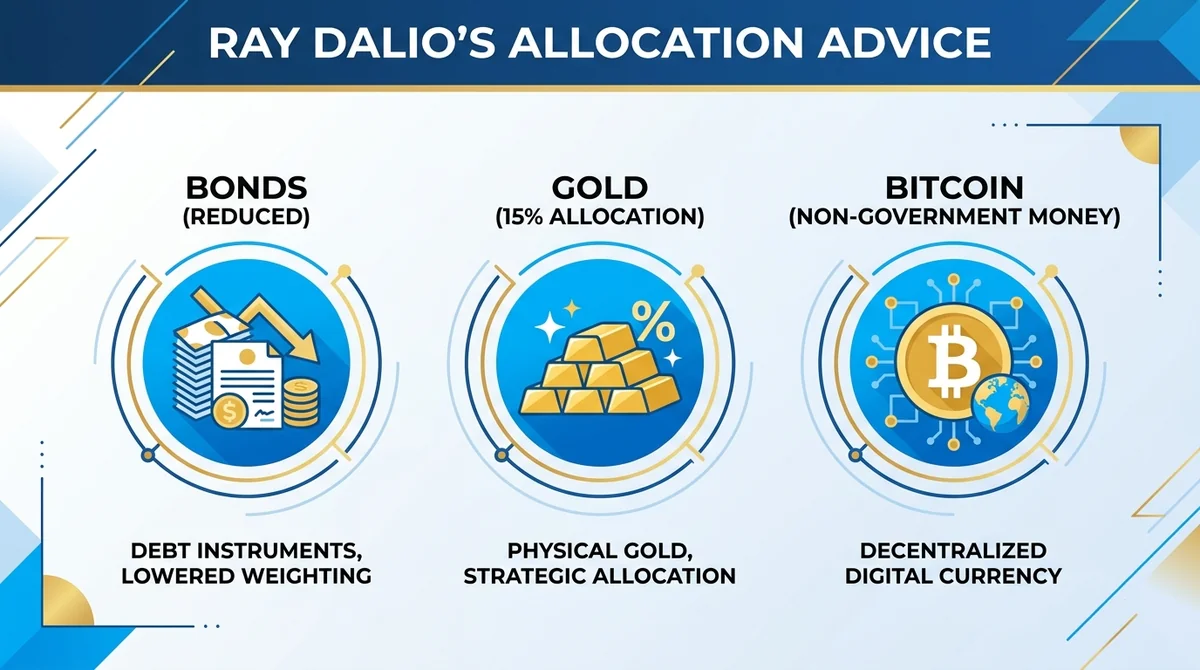
Historical data repeatedly proves that most of Bitcoin's gains are concentrated in a very small number of trading days. One statistic shows:
- If you held Bitcoin all year without moving, 2019 returns were 94%, but if you missed the best 10 days, returns became -41%.
- In 2020, holding all year returned 305%, but missing 10 days dropped it to 43%.
- In 2021, holding all year returned 60%, but missing 10 days turned it into -43%.
- In 2024, holding all year returned 121%, but missing 10 days turned it into -4%.
A more extreme case: suppose you invested $10,000 at the beginning of 2016 and held until the end of 2025, total returns could reach $2 million; if you missed the best 50 days, the final asset would be only about $5,000, a loss instead. Even missing just the best 10 days could turn annual returns from positive to negative.
These data reveal a core principle: in highly volatile assets like Bitcoin, precise timing is nearly impossible, while long-term holding and dollar-cost averaging (DCA) are more robust strategies. The best up days often occur when market sentiment is most pessimistic and prices are far below historical highs. For example, when Bitcoin rose 18.5% in a single day in 2019, its price was still 75% below the historical high.
Strategy Advice: DCA First, Avoid Chasing Highs
The market has entered the greed zone, increasing short-term pullback risk. For ordinary investors, a more reasonable approach is:
- Stick to DCA: Regardless of market sentiment, invest a fixed amount at regular intervals to average costs and avoid emotional trading.
- Avoid chasing highs: Adding large positions in the greed zone often faces short-term entrapment risk; stay cautious.
- Take profits appropriately: If you already have significant unrealized gains, consider taking profits in batches to lock in some profits, but no need to exit completely.
- View celebrity opinions rationally: Dalio, institutional forecasts, etc., are only for reference and should not be the basis for heavy positions.
In the long run, Bitcoin's fundamentals continue to strengthen, but no one can accurately predict short-term movements. Investors should focus on long-term logic rather than trying to catch every short-term fluctuation.
This article is produced by the MSXGO editorial team, AI-assisted, and reviewed through an editorial process. Fee rates and figures are subject to each platform's latest official announcements.
Finished reading? Ready to try trading?
Tokenized stocks/ETFs, crypto spot, and perpetual futures in one account — perp maker 0.02% / taker 0.045%, RWA spot buy 0.3% / sell 0.
Free sign-up · 3 quick steps