Elon Musk Tesla Token Scam: How to Spot and Avoid Fake Crypto Investments
Learn how the Elon Musk Tesla token scam works, warning signs to spot, and MSX security tips to avoid fake crypto investments in 2026.
Article Citation Summary
Learn how the Elon Musk Tesla token scam works, warning signs to spot, and MSX security tips to avoid fake crypto investments in 2026.
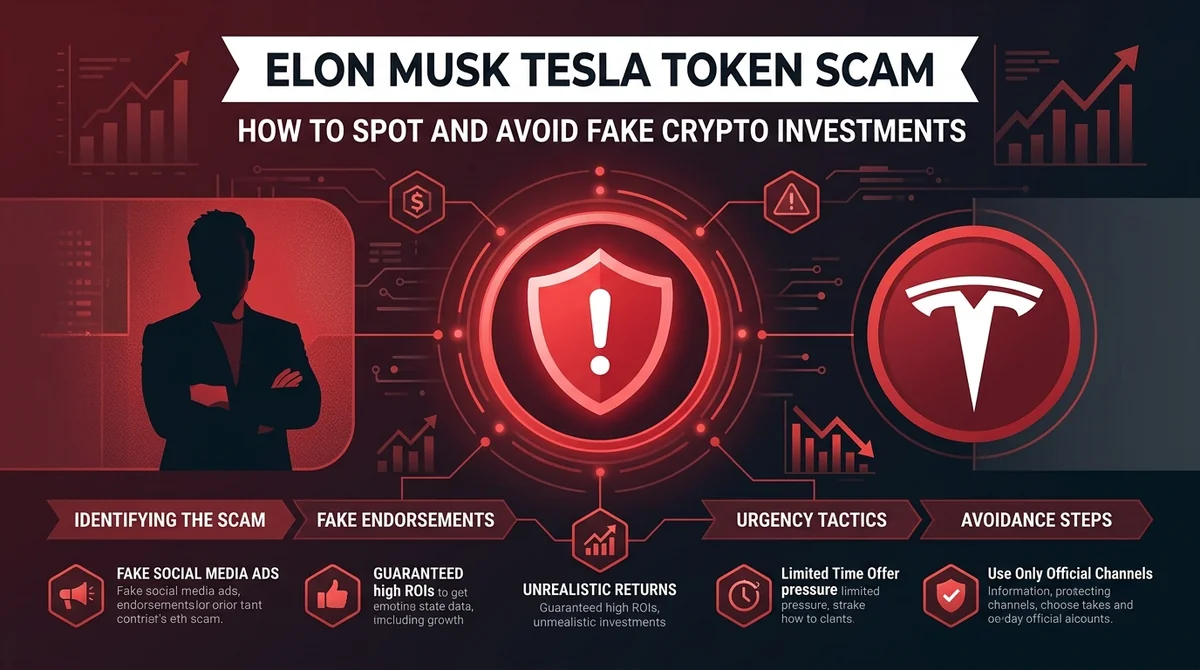
The Elon Musk Tesla token scam is a fraudulent crypto investment scheme that impersonates Elon Musk and Tesla to lure victims into depositing funds on fake platforms. Scammers use fake news sites, Facebook ads, and email campaigns to promise unrealistic returns, often starting with a $250 minimum deposit. This guide explains how the scam works, warning signs, common scenarios, and how to protect yourself.
- Key Takeaways
- The scam impersonates Elon Musk and Tesla to promote fake crypto platforms like TeslaCoin and BitiCodes.
- Victims are lured through Facebook ads and emails promising high returns with minimal investment.
- Red flags include guaranteed profits, pressure to act quickly, and requests for personal information.
- Protect yourself by verifying official channels, never sharing private keys, and using secure wallets with 2FA.
- If scammed, report to authorities, contact your bank/exchange, and monitor accounts.
What Is the Elon Musk Tesla Token Scam?
The Elon Musk Tesla token scam is a fraudulent investment scheme where scammers impersonate Elon Musk and Tesla to promote fake cryptocurrency platforms. According to Avast, the scam circulated on Facebook and via email across Europe, Canada, and Australia, costing victims at least $250. The campaign used fake news articles and emails that promised high returns, such as earning $600 from a $100 deposit, leading victims to register on fraudulent platforms and deposit funds.
How scammers use Elon Musk's name and Tesla brand
Scammers exploit the trust associated with Elon Musk and Tesla by creating ads and articles that appear to be from legitimate news sources. They claim that Tesla has launched a cryptocurrency platform called TeslaCoin, which is actually a fake investment scheme. The use of Musk's name adds credibility and attracts potential victims who believe they are investing in a legitimate project.
Examples of fake tokens: TeslaCoin, BitiCodes, BitCode Prime
Several fake tokens have been identified in this scam, including TeslaCoin, BitiCodes, and BitCode Prime. These names are used interchangeably in localized versions of the scam articles. Victims are directed to fake websites that mimic legitimate news or investment sites, where they are prompted to enter personal information and make deposits.
How Does the Elon Musk Tesla Token Scam Work?
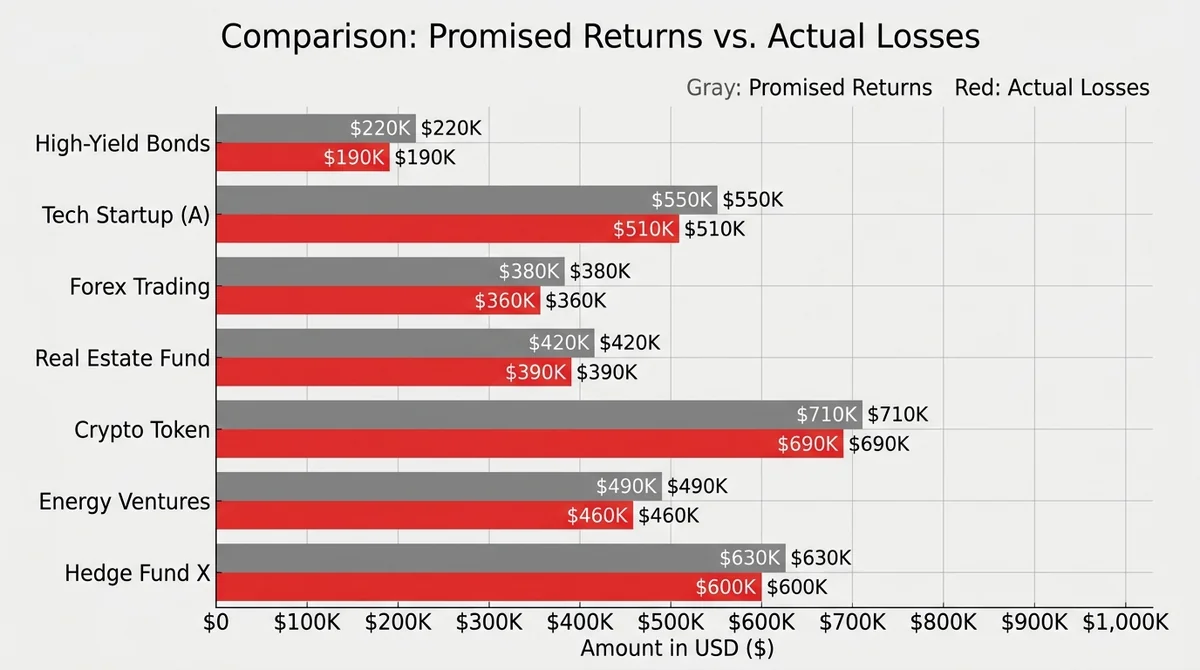
The scam operates through two main attack vectors: Facebook ads and email campaigns. Facebook ads redirect users to fake news sites that display articles about a TeslaCoin platform. At the bottom of these pages, a webform asks for name, email, and phone number. After registration, victims receive emails from bots promising returns, such as $600 from a $100 deposit. In other cases, emails are sent directly with PDF attachments promoting the fake investment platform or inviting users to a "community" with photos of Bill Gates and Melinda Gates.
Facebook ads redirecting to fake news sites
Scammers create Facebook ads that look like local news articles about a TeslaCoin platform. The ads are localized based on the victim's location, making them appear more credible. Users who click on the ads are taken to a site that mimics a legitimate news outlet, where they are encouraged to register for the platform.
Email campaigns with PDF attachments promising riches
Email campaigns are another method used by scammers. Emails are sent directly to potential victims, promising to earn investors $600 with an initial deposit of $100. A PDF is attached to the emails, containing messages that promote Elon Musk's fake investment platform or include an invitation to an unspecified "community" with a photo of Melinda and Bill Gates.
Registration forms collecting personal data
The registration forms on fake websites collect personal information such as name, email address, and phone number. This data is used to initiate contact with victims and further the scam. Scammers may also use this information for identity theft or to sell to other criminals.
Warning Signs of a Fake Elon Musk Tesla Token Scam
Recognizing the warning signs of a fake Elon Musk Tesla token scam is crucial to avoid falling victim. Common red flags include promises of guaranteed high returns with low risk, pressure to act quickly before the "presale" ends, and requests for personal information or upfront payments without proper verification.
Too-good-to-be-true promises
Scammers often promise unrealistically high returns with minimal investment. For example, they may claim that a $100 deposit can earn $600. Such promises are a classic sign of a scam, as legitimate investments never guarantee profits.
Requests for personal information or upfront payments
Legitimate investment platforms do not ask for personal information or upfront payments through unsolicited emails or ads. If you are asked to provide sensitive information or send money to an unverified platform, it is likely a scam.
Use of unofficial communication channels
Scammers often use unofficial communication channels such as social media ads, unsolicited emails, or messaging apps. They may impersonate trusted figures like Elon Musk to build credibility. Always verify the authenticity of any investment opportunity through official channels.
Common Scenarios of the Elon Musk Tesla Token Scam
Several common scenarios have been identified in the Elon Musk Tesla token scam. These include fake investment platforms named TeslaCoin, BitiCodes, or BitCode Prime, which are promoted through Facebook ads and emails that falsely claim endorsement by Elon Musk or Tesla.
TeslaCoin fake investment platform
TeslaCoin is a fake cryptocurrency platform promoted by scammers. The platform claims to be launched by Tesla and offers high returns to investors. Victims are directed to a fake website where they are asked to register and deposit funds.
BitiCodes and BitCode Prime variants
BitiCodes and BitCode Prime are variants of the same scam, used in different localized versions of the fake articles. These names are used to target victims in specific regions, making the scam appear more relevant and credible.
Social media posts and email lures
Scammers use social media posts and email lures to promote the fake platforms. Facebook ads and email campaigns are the primary methods of reaching potential victims. These lures often include fake endorsements from Elon Musk or Tesla to increase credibility.
How to Protect Yourself from Elon Musk Tesla Token Scams
Protecting yourself from Elon Musk Tesla token scams involves verifying official channels, never sharing private keys or personal information, and using secure wallets with two-factor authentication.
Verify official channels and announcements
Always check the official Tesla or Elon Musk social media accounts for any crypto announcements. Scammers often impersonate these accounts, so it is important to verify the authenticity of any investment opportunity through official sources.
Never share private keys or personal information
Never share your private keys, passwords, or personal information with anyone. Legitimate platforms will never ask for this information. Keep your private keys secure and never enter them on unverified websites.
Use secure wallets and enable two-factor authentication
Use hardware wallets or other secure storage methods for your crypto assets. Enable two-factor authentication (2FA) on all your accounts to add an extra layer of security. This helps protect your assets even if your password is compromised.
What to Do If You've Fallen Victim to an Elon Musk Tesla Token Scam
If you have fallen victim to an Elon Musk Tesla token scam, it is important to act quickly to minimize losses and prevent further damage. Report the scam to relevant authorities, contact your bank or crypto exchange, and monitor your accounts for unauthorized activity.
Report the scam to relevant authorities
Report the incident to local law enforcement and cybercrime units. Provide them with all relevant information, including any communications, transaction records, and website URLs. This helps authorities track down the scammers and prevent others from falling victim.
Contact your bank or crypto exchange
Notify your bank or crypto exchange immediately if you have sent funds to a scam platform. They may be able to freeze the transaction or help you recover your funds. Keep records of all communications and transactions for investigation.
Monitor your accounts for further unauthorized activity
Regularly review your bank and crypto exchange accounts for any suspicious activity. If you notice any unauthorized transactions, report them immediately. Consider changing your passwords and enabling additional security measures.
Elon Musk Tesla Token Scam: Safety Checklist
Use this checklist to verify crypto investments and secure your assets: confirm project legitimacy, avoid unsolicited offers, and enable strong security measures.
Checklist for verifying crypto investments
- Verify the legitimacy of any crypto project through multiple trusted sources.
- Never invest based on unsolicited messages or ads.
- Check official websites and social media accounts for announcements.
- Look for independent reviews and news articles about the project.
Checklist for securing your crypto assets
- Use strong, unique passwords for all accounts.
- Enable two-factor authentication (2FA) wherever possible.
- Store crypto assets in hardware wallets or other secure storage.
- Regularly review your accounts for suspicious activity.
- Never share private keys or personal information with anyone.
This article is produced by the MSXGO editorial team, AI-assisted, and reviewed through an editorial process. Fee rates and figures are subject to each platform's latest official announcements.
FAQ
Is the Elon Musk Tesla token real? ▼
No, the Elon Musk Tesla token is a scam. There is no official Tesla cryptocurrency, and any platform claiming to be launched by Tesla or Elon Musk is fraudulent.
How do I know if a crypto investment is a scam? ▼
Look for red flags such as guaranteed high returns, pressure to act quickly, requests for personal information, and communication via unofficial channels. Always verify the project through official sources.
What should I do if I sent money to a Tesla token scam? ▼
Immediately report the incident to local law enforcement and cybercrime units, contact your bank or crypto exchange to freeze transactions, and monitor your accounts for unauthorized activity.
Can I recover funds lost to a crypto scam? ▼
Recovery is difficult but possible in some cases. Report the scam to authorities and your financial institutions as soon as possible. Keep all records of communications and transactions for investigation.
How can I protect myself from fake crypto investments? ▼
Verify official channels, never share private keys or personal information, use secure wallets, enable two-factor authentication, and be skeptical of unsolicited investment offers.
Finished reading? Ready to try trading?
Tokenized stocks/ETFs, crypto spot, and perpetual futures in one account — perp maker 0.02% / taker 0.045%, RWA spot buy 0.3% / sell 0.
Free sign-up · 3 quick steps