Tokenized Stocks & Crypto Trading Insights
Latest news and in-depth analysis on tokenized stocks/ETFs, crypto spot, perpetual futures, RWA, and IPO/Pre-IPO — one place to make sense of the market.
Autumn Gold Rush: Win iPhone Duo & Limited Gold Notes
Spot ≥100U tiered pool · Win iPhone DUO / 18 Pro on contracts · 100-winner merch draw, no sign-up
Featured Insights
 Project Research
Cineflicks (CFix) Explained: How the Watch-to-Earn Web3 Streaming Model Works and Its Presale Stages
Behind the Cold Wallet Hack: The Demand Logic and Creation/Redemption Mechanics of Spot Bitcoin ETFs
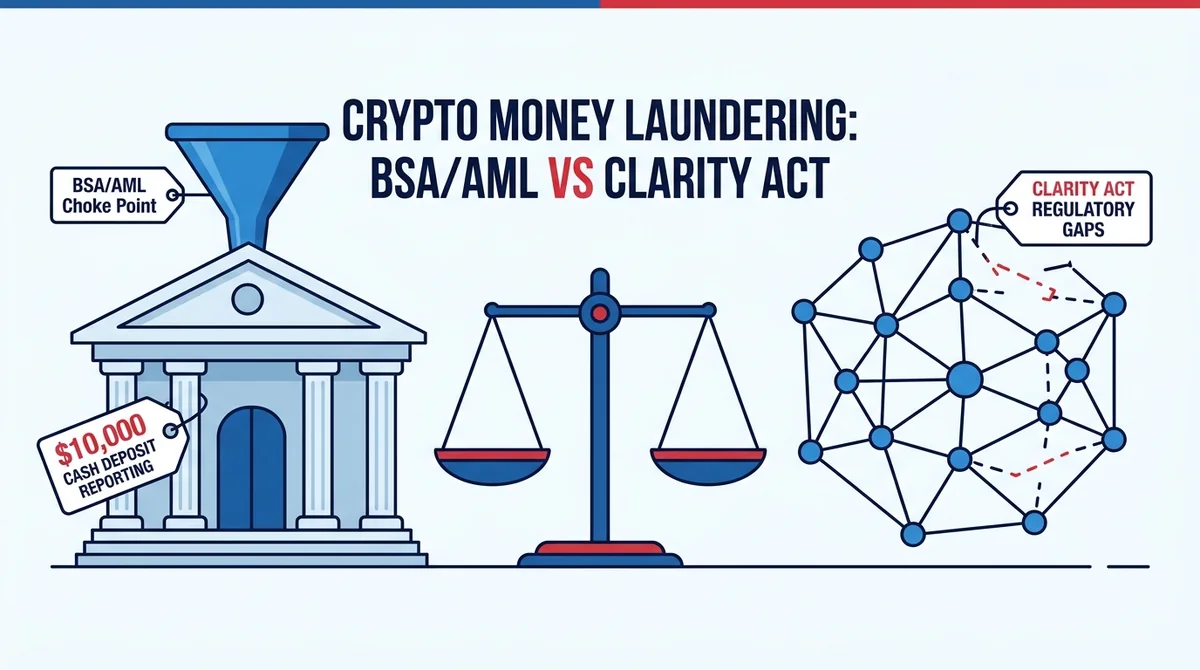
How Is Crypto Used for Money Laundering? BSA/AML and the Clarity Act Regulatory Gaps
XRP's Push Toward Bank-Grade High-Quality Liquid Assets: BIS Risk Weight Adjustment and Regulatory Timeline Explained
Solana Approaches $98–99 Resistance Zone: Elliott Wave Structure and Key Support
Latest Insights · Learn
View all Learn →Solana Inflation Cut Vote Explained: What SGP01/02/03 Mean for SOL Stakers
Crypto ETFs Explained: How Bitcoin and Ethereum Spot ETFs Work and the Current Market Landscape
SEC Crypto Regulation Deep Dive: How Reg Crypto Reshapes Token Issuance and Compliance Paths
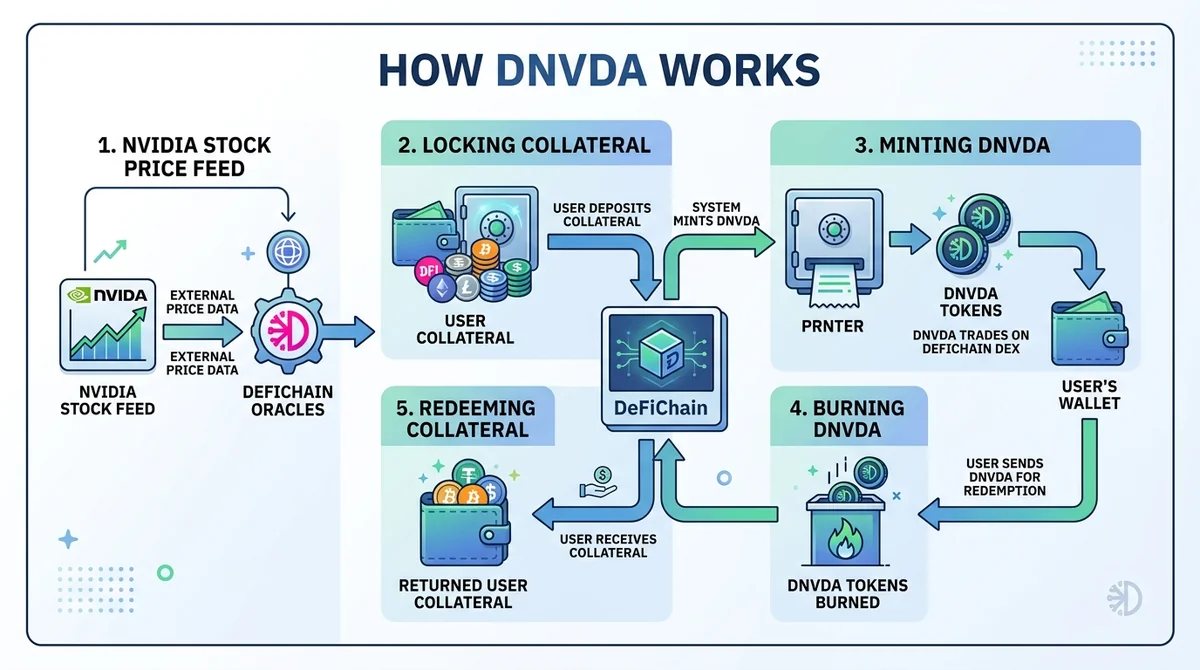
What Is DNVDA?
Stock Tokenization: Trade US Stocks Directly with a Crypto Account, MSX Compliance Path Explained
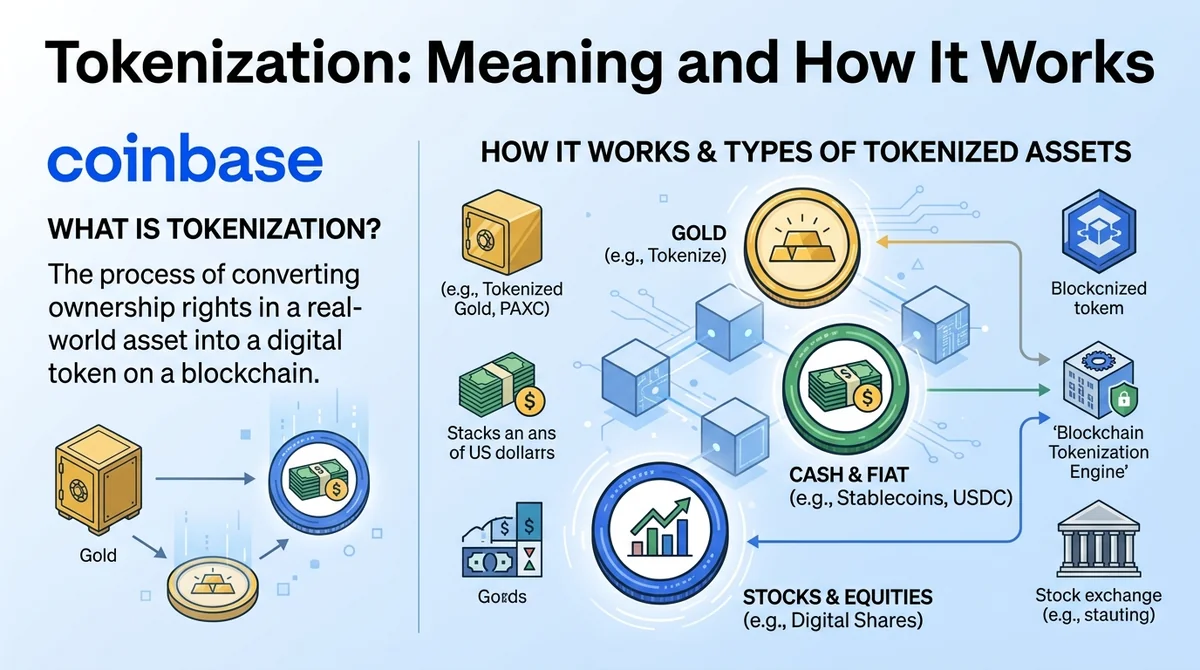
Coinbase Tokenization: Meaning and How It Works
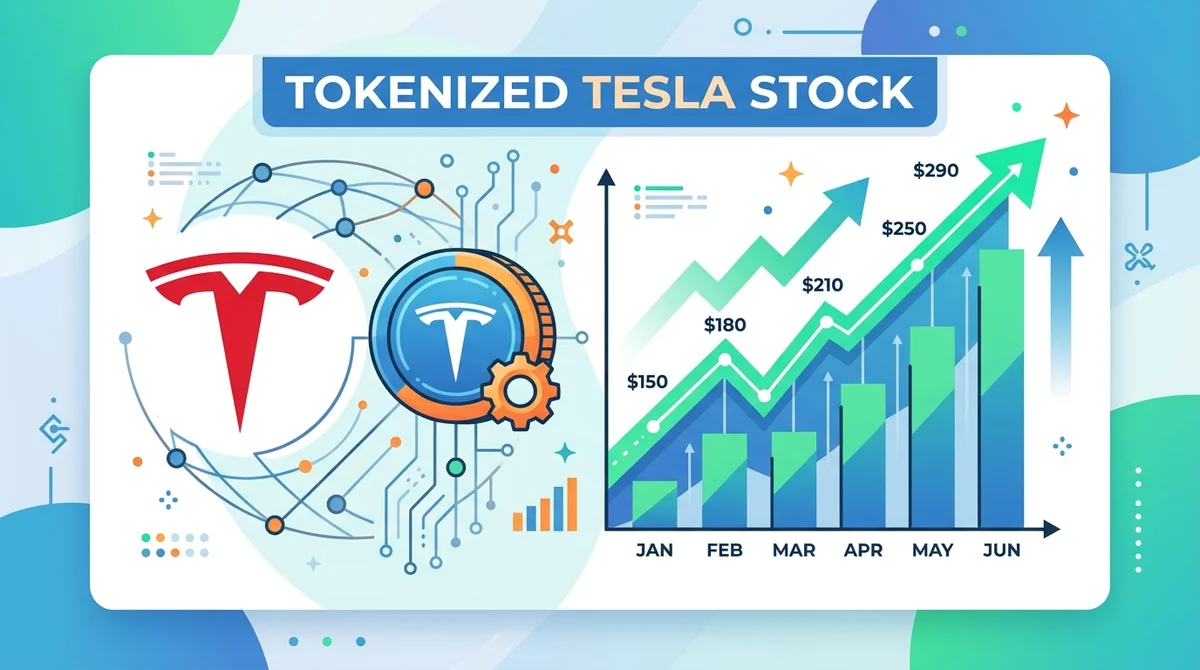
What Is Tokenized Tesla Stock and How Does It Work?
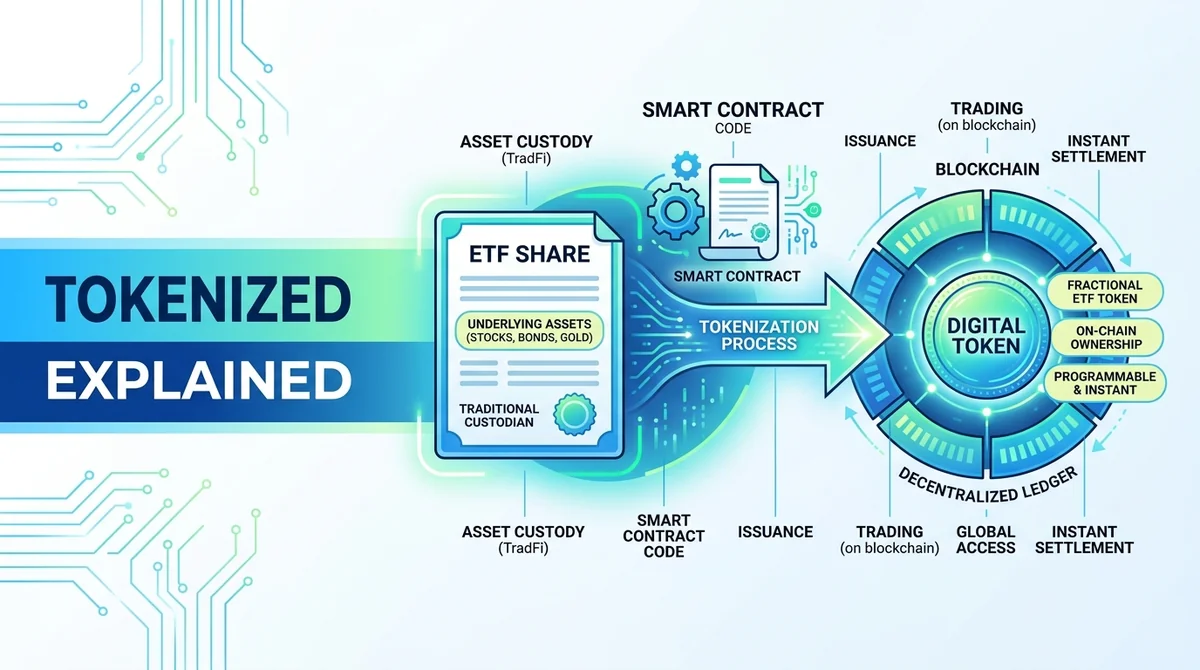
Tokenized ETF Explained: What It Is, How It Works, and Key Risks
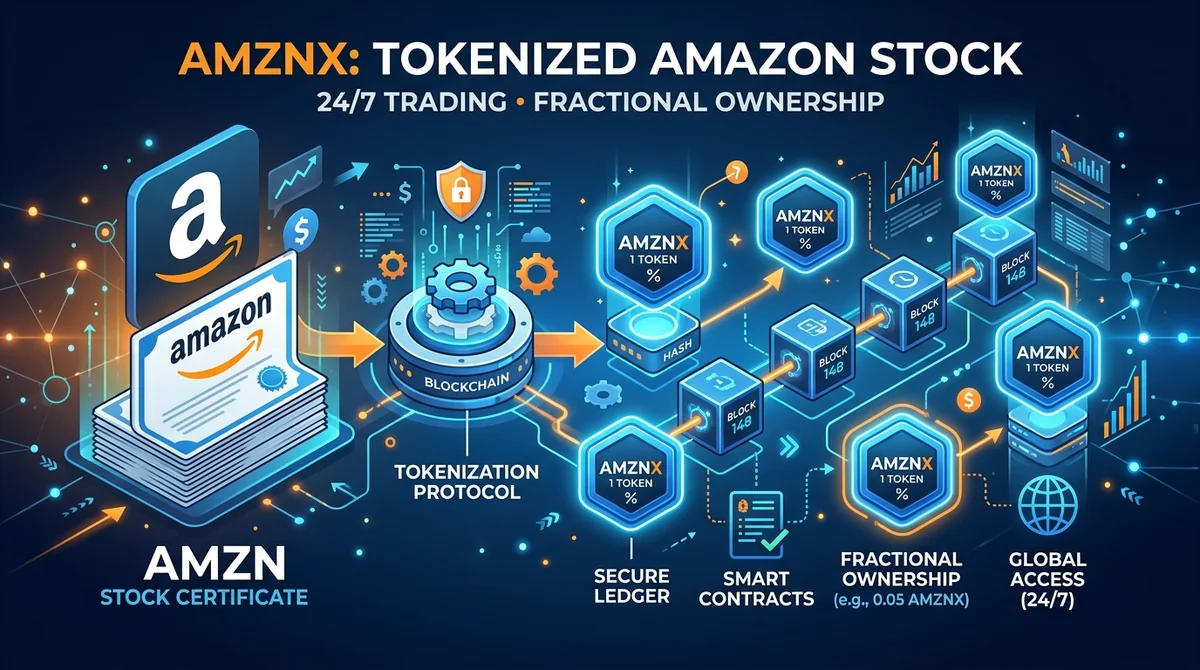
Amazon Tokenized Stock (AMZNX): What It Is, How It Works, and How to Buy on MSX
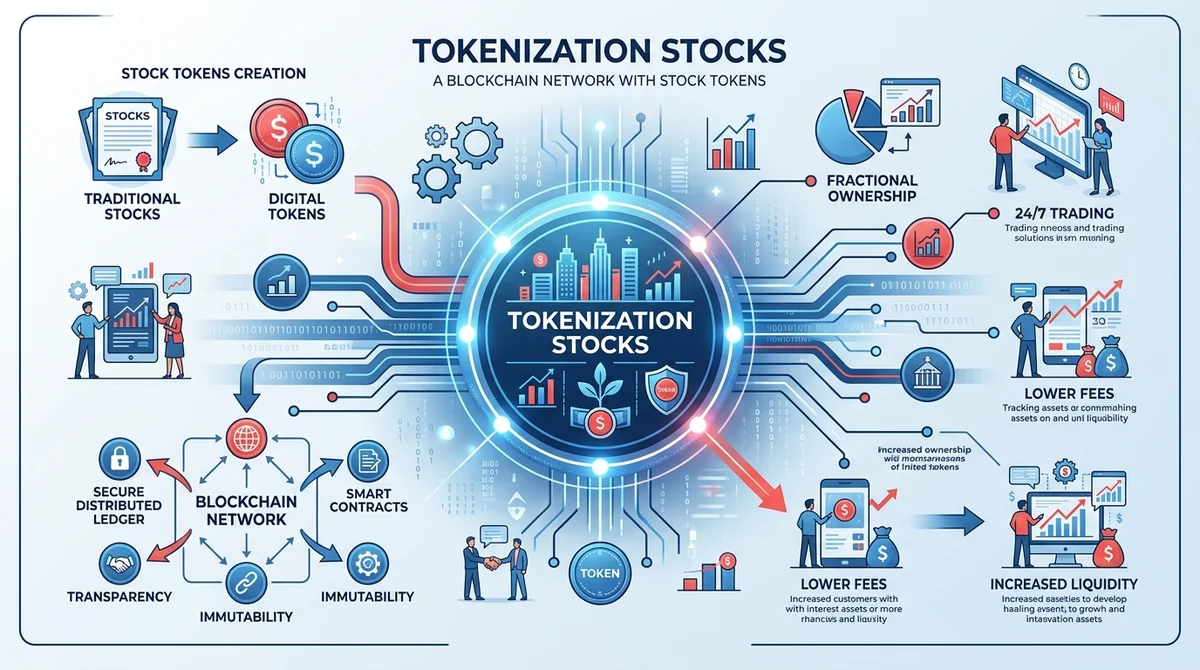
Tokenization Stocks: What They Are, How They Work, and Why They Matter
News
More News →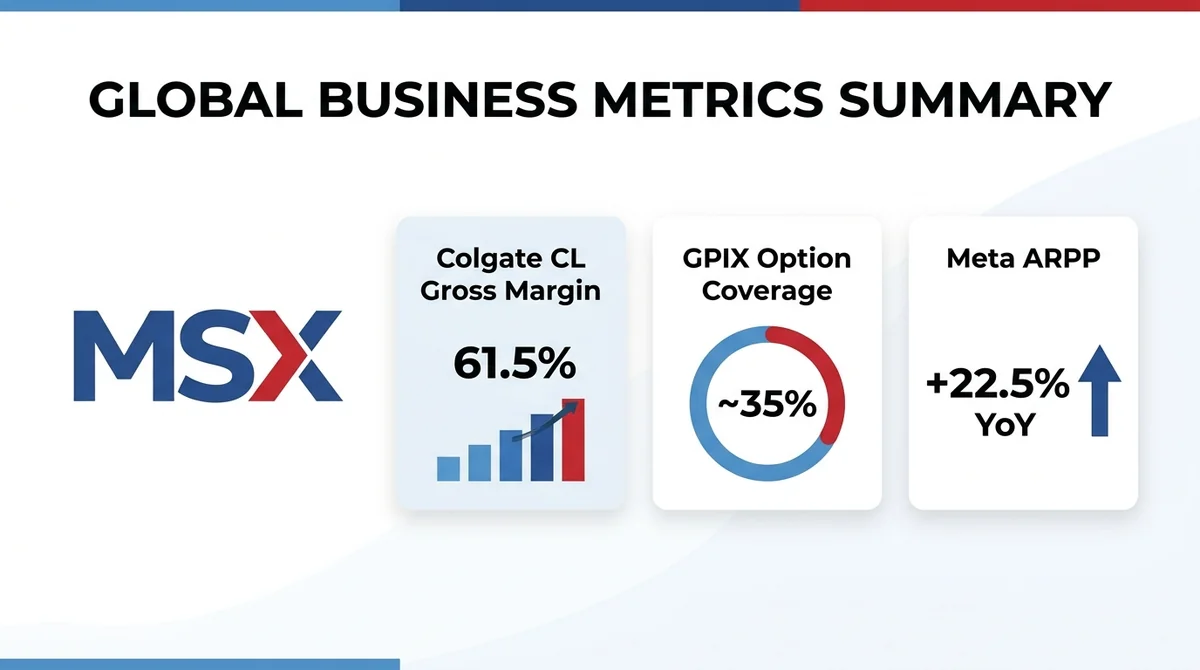 News
MSX US Stock Daily Watch: Colgate, GPIX and Meta — Colgate's Gross Margin Hits Record 61.5% but P/E Ratio Tops 10-Year Average; Meta's Muse AI Eases AI Capex Concerns
Colgate's gross margin hits a record 61.5%, but its adjusted P/E ratio of ~26x exceeds the 10-year average of 24x; GPIX uses ~35% option coverage for price upside; Meta's Muse AI eases capex worries.
 News
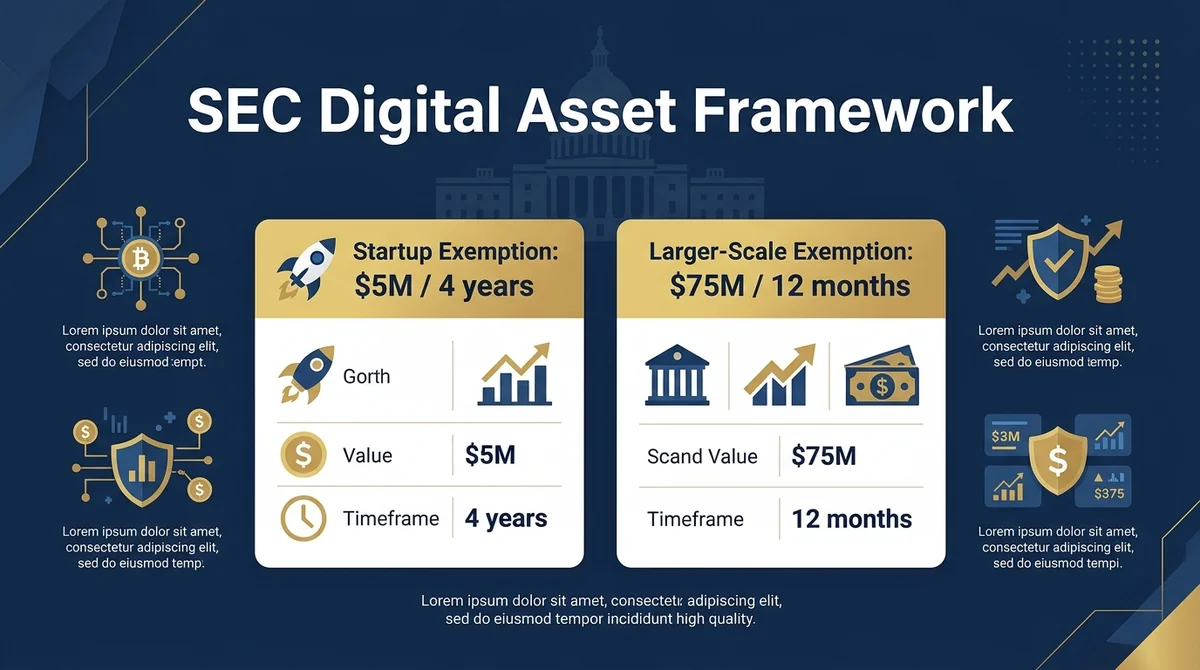
SEC Unveils New Digital Asset Framework: A 'Startup' Exemption for Crypto Fundraising and a Push to Ease IPO Burdens
SEC Commissioner Mark Uyeda outlines a new crypto regulatory proposal with startup and fundraising exemptions, higher disclosure thresholds, plus IPO relief and congressional legislation.
 News
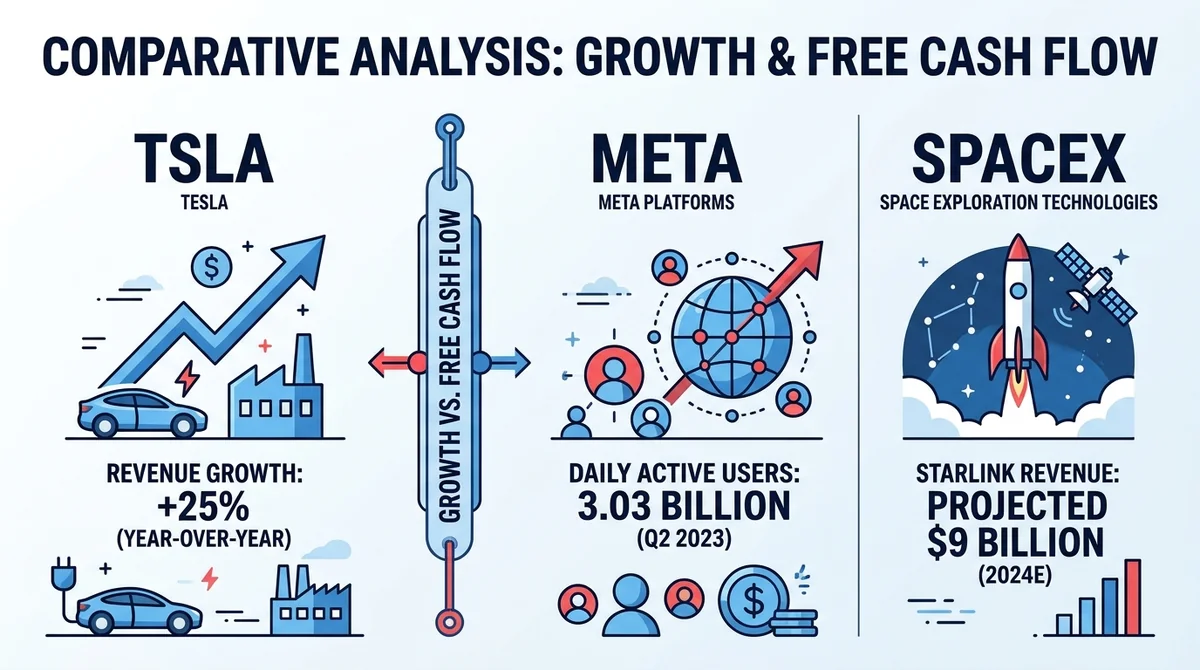
MSX US Stocks Daily Watch: Breaking Down TSLA, Meta and SpaceX Earnings — TSLA's Surprise Positive Free Cash Flow Earns an Upgrade, SpaceX Revenue Up 161% Yet Stays a Sell
TSLA free cash flow turns positive, earning a rating upgrade; Meta revenue rises 26% to $64.6B; SpaceX revenue jumps 161% but stays a Sell on roughly -$35B FCF.
Learn
More Learn →Project ResearchCineflicks (CFix) Explained: How the Watch-to-Earn Web3 Streaming Model Works and Its Presale Stages
How Cineflicks (CFix) combines OTT streaming with blockchain rewards: Watch-to-Earn mechanics, CFix token allocation, presale stages and key risks.
ExplainerBehind the Cold Wallet Hack: The Demand Logic and Creation/Redemption Mechanics of Spot Bitcoin ETFs
Starting from a cold wallet hack, we explain long-term demand for spot Bitcoin ETFs, falling in-kind creation/redemption thresholds, and shifts in investor structure.
ExplainerHow Is Crypto Used for Money Laundering? BSA/AML and the Clarity Act Regulatory Gaps
From the bank BSA/AML reporting threshold to the Clarity Act's regulatory gaps and missing ethics provisions, we break down key crypto AML loopholes.
Strategy
More Strategy →StrategySolana Approaches $98–99 Resistance Zone: Elliott Wave Structure and Key Support
Solana extends its upside toward the $98–99 resistance zone. An Elliott Wave look at the current structure, key $87 support and upside targets.
 Strategy
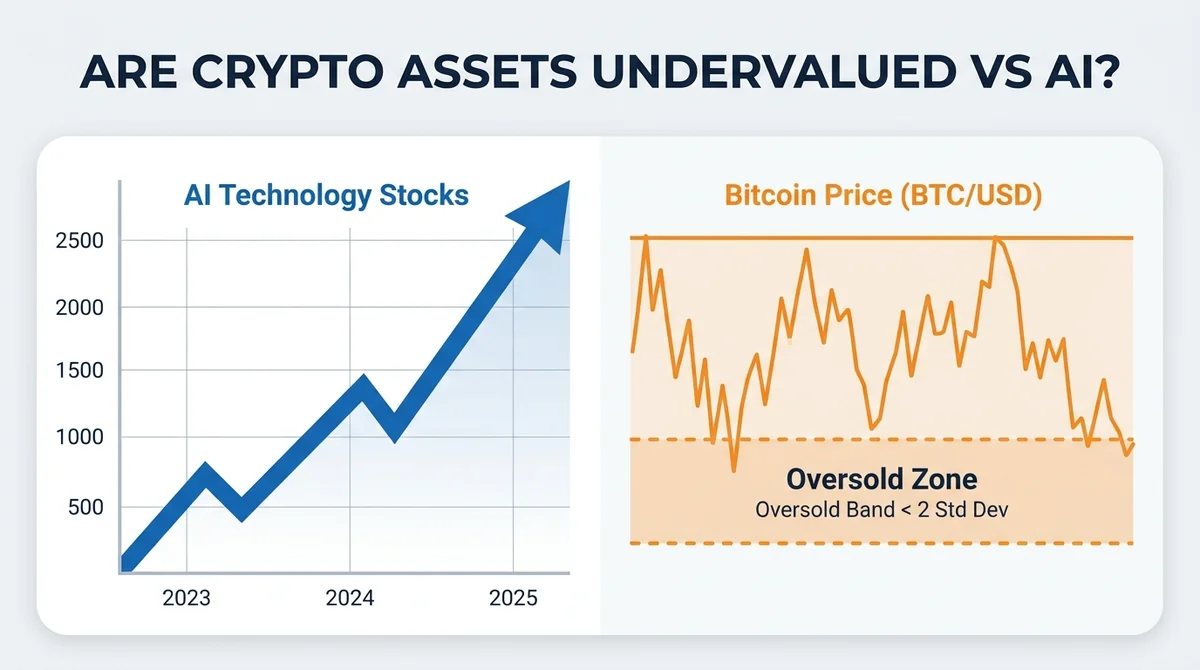
As the AI Boom Sweeps the Market, Are Crypto Assets Severely Undervalued?
Bitcoin vs Nasdaq valuation, stablecoin expansion, regulation and global liquidity: four threads explaining crypto allocation logic and risks.
How to find the lowest-fee futures platform
The real cost of crypto perpetual futures is determined by maker/taker fees, funding rates, and rebates combined — not the headline rate alone. Taker rates on major platforms typically fall in the 0.02%–0.06% range, but once the 8-hour funding rate is added, net cost over long holds can differ several-fold.
For high-frequency, high-volume traders, rebates are the most effective lever to cut net cost: sign up through a rebate referral link and the platform returns a fixed percentage of your fees. Pair these with our reviews of Binance, OKX, Bybit, and others to calculate the lowest overall cost for your trading frequency.
FAQ
How are crypto futures fees structured?
Futures fees consist of maker/taker rates, the funding rate paid while holding a position, and liquidation costs. Taker rates on major perpetual platforms usually sit between 0.02%–0.06%; the real cost also includes funding rates and rebates.
Which futures platform has the lowest fees?
Net cost depends on maker/taker rates, how generous the rebates are, and funding rates combined. Use our platform comparisons to find the lowest overall cost for your trading frequency.
How do I get futures rebates?
Rebates are typically earned by entering a referral code or signing up through an invite link; the platform returns a fixed percentage of the fees you generate. High-frequency traders can cut net costs significantly.
Does the funding rate affect futures trading cost?
Yes. Perpetual futures settle a funding rate every 8 hours between longs and shorts. Over long holding periods it can exceed the open/close fees themselves, so evaluate total cost, not just headline fees.
Finished reading? Ready to try trading?
Free sign-up · 3 quick steps